Dumpster Rental Guide: What You Can and Cannot Throw Away
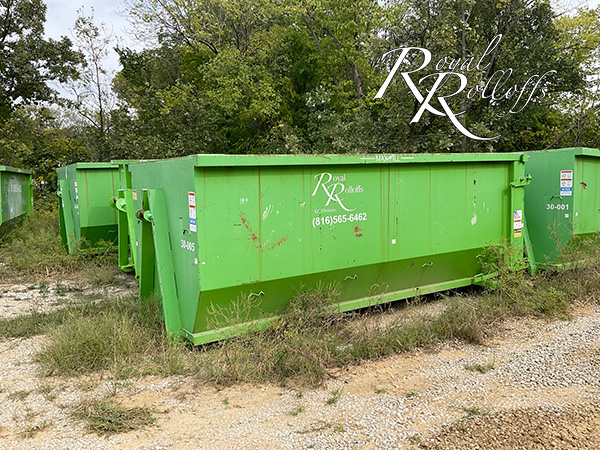
When planning a home improvement, construction, or cleanup job in Independence, MO, understanding what can and cannot go into your dumpster rental is essential. Many customers are surprised to learn that certain items cannot go into a dumpster. This knowledge helps reduce complications, extra expenses, and compliance issues while disposing of waste. At Royal Rolloffs, we provide clear guidance by explaining approved and restricted materials. This guide ensures you stay compliant and use your dumpster correctly.
Handling waste correctly is not just about making things easier. It makes sure you follow disposal guidelines, protects everyone on the jobsite, and promotes sustainability. Knowing what is allowed and what is restricted, you can make the rental period as efficient as possible. This article covers common categories of waste, highlights restrictions, and provides helpful tips for sorting debris before loading your container.
Household Junk and General Debris
Household clutter is typically permitted. These include things like broken chairs, unwanted clothing, old toys, cardboard boxes, and everyday trash. These common materials are easy to dispose of and make up the bulk of waste generated during cleanouts and move-outs. When emptying rooms full of clutter, you will likely load these items first. Organizing waste allows you to fit more and load safely.
General debris from household projects, such as drywall, flooring, wood scraps, and shingles, can also be placed in a dumpster. They often come from improvement projects. Breaking apart bulky items and placing heavy debris first helps maximize space. This technique keeps the dumpster balanced and efficient. Organized loading saves time and prevents needing extra pickups.
Green Waste and Exterior Cleanups
Most green waste like grass, branches, and leaves can be tossed in. People rent them for lawn renovations, hedge trimming, and cleanup efforts. Organizing yard debris keeps you compliant with composting standards. Our team advises clearing bulky stumps first, since they may not be accepted as-is.
Outdoor materials such as fencing, decks, and patio furniture are also acceptable as long as they are free from hazardous coatings. Treated lumber with hazardous coatings must be excluded, as they cannot be handled with normal debris. You can add masonry debris but spread it throughout to keep weight level. Distributing the weight evenly is important for safe transportation and compliance with road weight limits.
Items That Cannot Be Placed in a Dumpster
Some items are banned for safety and environmental protection. Paint, solvents, and toxic materials must be kept out. They may react and create unsafe situations. Your local hazardous waste program can direct you to the right facility.
Appliances containing refrigerants, such as refrigerators and air conditioners, may also be restricted unless they have been properly drained. E-waste and batteries must be processed separately because of toxic components. Medical waste, biohazard materials, and certain contaminated soils are also prohibited. Knowing the rules beforehand keeps your rental compliant.
Building and Renovation Waste
Jobsite containers are ideal for debris created during building and demolition work. Materials such as lumber, siding, roofing, concrete, and metal are generally accepted and can be disposed of together. Grouping debris by category helps reduce landfill waste and supports sustainable disposal. Royal Rolloffs provides guidance to keep construction site disposal safe and lawful.
Demolition jobs often produce a significant amount of debris, including plaster, here tiles, and windows. They may be disposed of if free of hazardous substances like asbestos. If there is any concern about asbestos, it must be tested and removed by a licensed professional before disposal. A solid disposal plan ensures a smooth project and safer conditions.
Managing Heavy Debris Safely
You can load rock and soil but special care is necessary. Weight builds up fast and can cause the container to be unsafe for hauling. Customers should be mindful of how much heavy material is placed inside to avoid exceeding weight limits. Sometimes extra containers are required for safety.
When disposing of soil and stone, load gradually for balance. Balancing weight helps protect the container and truck. Letting us know what heavy debris you have helps us prepare the right solution. Proper preparation maximizes the use of the dumpster and ensures safety.
Green Practices for Waste Handling
Proper waste management plays a key role in protecting the environment and community. By keeping hazardous items out of the dumpster and recycling where possible, you reduce the amount of waste going to the landfill. Our team coordinates with local programs for green disposal solutions. Our dedication preserves the cleanliness of Independence, MO, for years to come.
Sorting metal, cardboard, and recyclable plastics helps conserve resources. Doing this helps ensure smoother collection and transport. Our team shares tips for hassle-free recycling preparation. Taking these steps allows customers to complete projects responsibly while staying in compliance with disposal regulations.
Maximizing the Benefits of Your Dumpster
Learning the rules helps avoid issues during the rental period. Customers in Independence, MO, rely on Royal Rolloffs to provide not just a container but also the knowledge and support they need to handle waste responsibly. By sorting materials correctly, keeping prohibited items out, and planning ahead for heavy loads, you can save time and keep your project moving forward. We focus on keeping the rental process convenient and secure. From residential cleanouts to commercial builds, we support your waste disposal requirements.